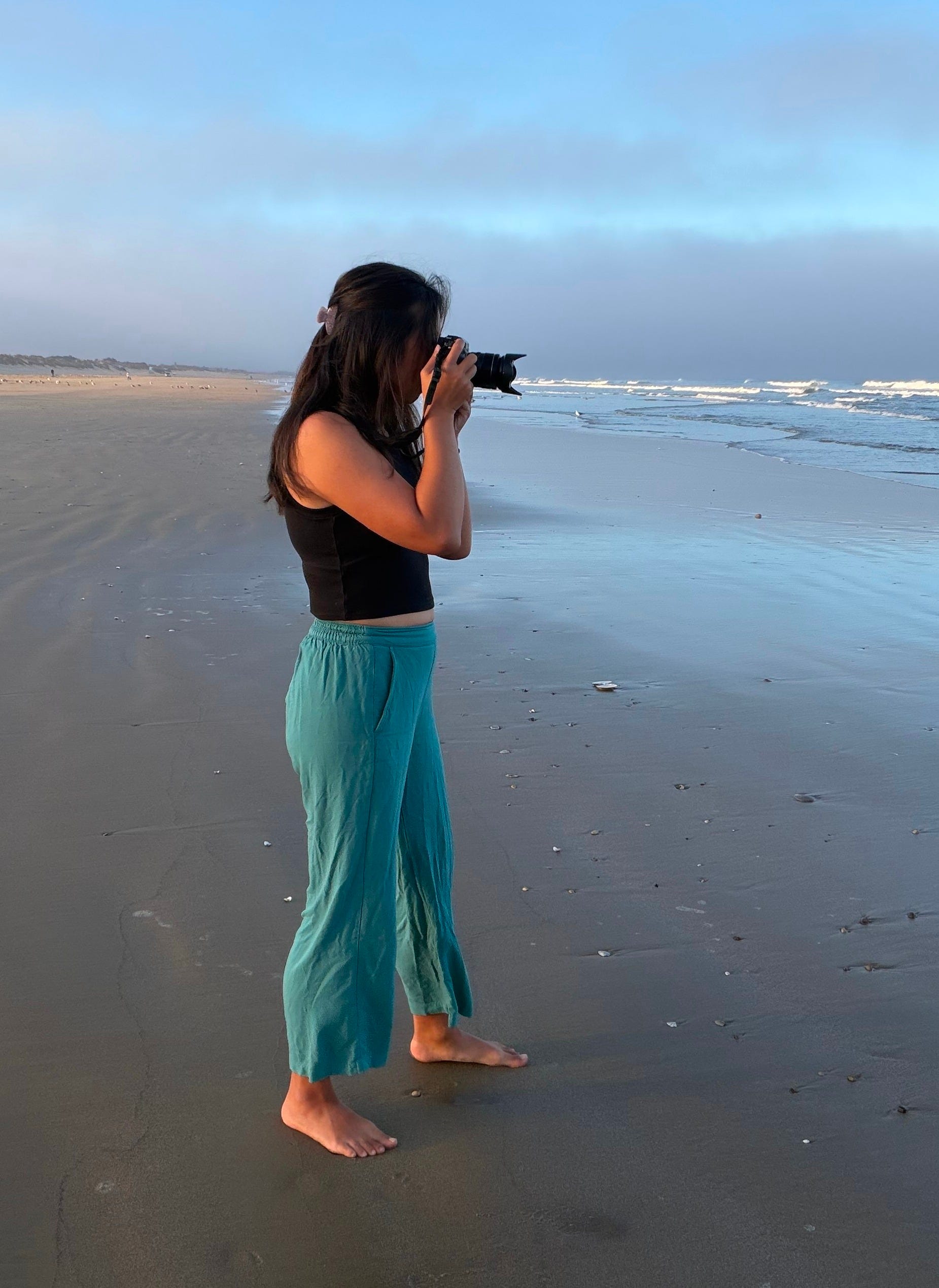
Surgery taught me photography
On becoming someone new

I started medical school when I was twenty years old. I didn’t really pick up a camera seriously until this past year, in my thirties. This past week, I registered as a business entity and redid my entire website with my portfolio. All of the core parts of photography I had learned from a decade of training in surgery. This world, which takes up most of my waking hours, is still an enigma to most people and I’m excited to share it here. But here’s the real thing I found - no time that we spend is wasted. I found that in photography, technical skill is the easy 10% but gets the majority of focus. Judgement is the other 90%, and I spent a decade in surgery learning this.
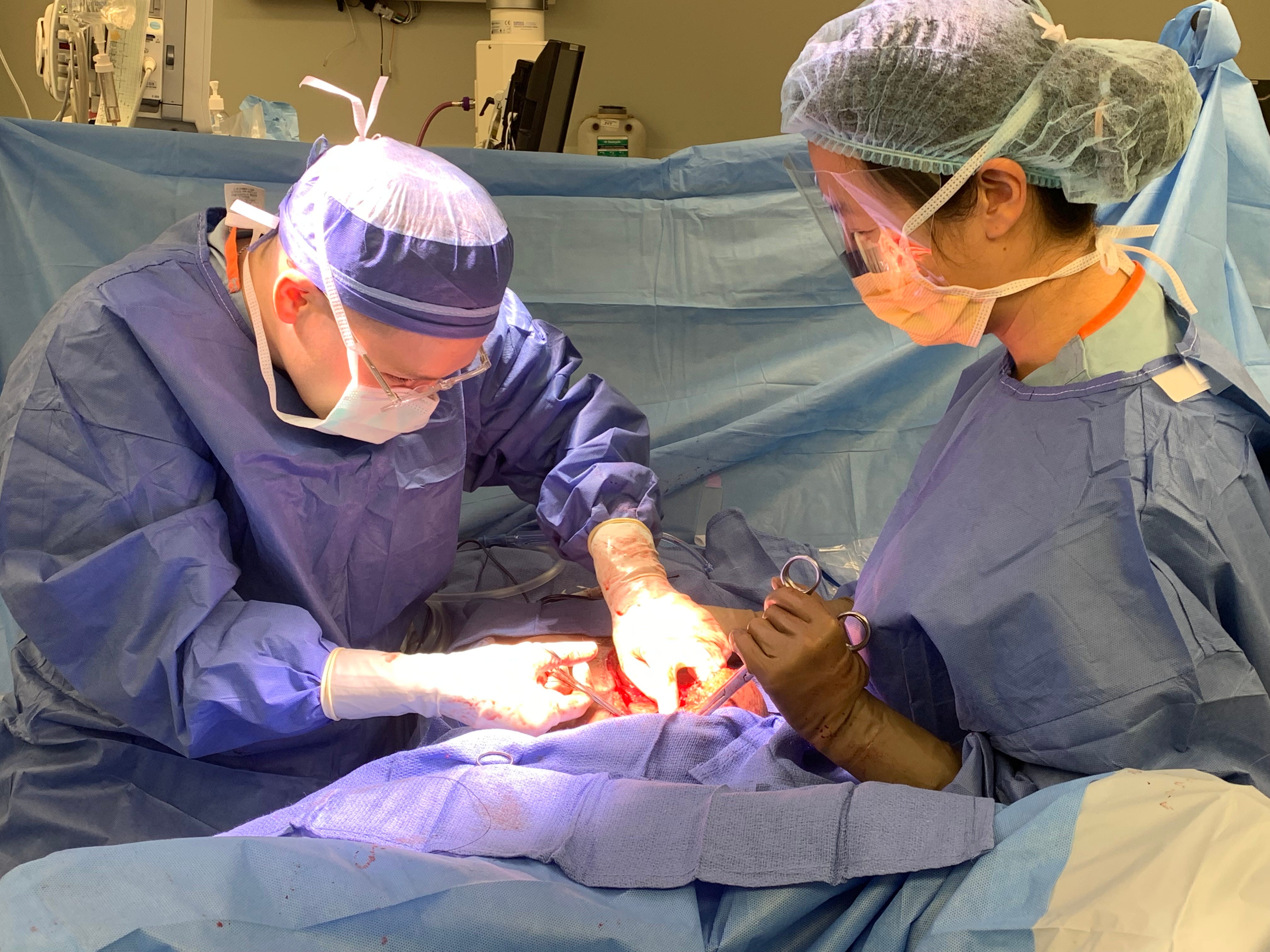
Preparation is everything
When I started medical school I assumed that surgeons spent the majority of their time operating. The operation is actually the last act of a long line of work. It starts with explaining things in detail to patients, talking to family members on the phone, and choosing the right operation for the right person. But, there are also a number of nuances for every operation, and when things go really smoothly, the plans were thought through. These are things that I also didn’t think about until becoming an attending - which facility am I going to, will all of the equipment be there, do I need a device rep present, do I need a partner present, am I doing this open or robotically, and the list goes on. Imagine that an operation is a jenga block tower, and it feels like the hospital and insurance powers that be are conspiring to remove blocks from the bottom every time that you turn away. Every shoot likewise is 90% preparation and setting expectations, and the day of has always been the easy part to me.
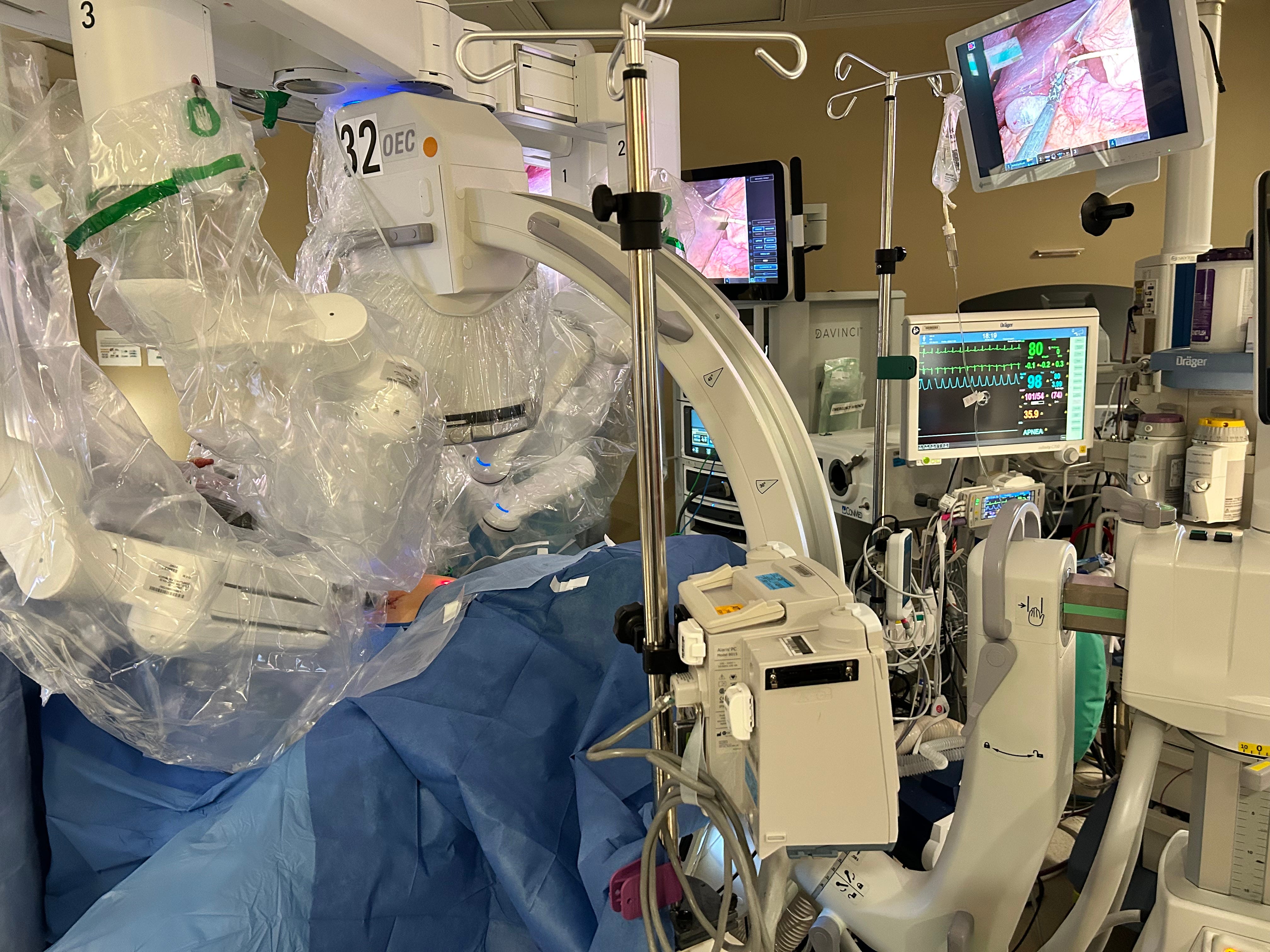
Anyone can operate
I truly believe this - anyone can operate. We can teach a 10 year old to operate. What’s really hard is learning when to operate. There are a thousand grey areas before, during, and after an operation, and what separates an ok surgeon from a great one is how they make decisions. I feel very similarly about shooting photos. I think that so much attention is paid to gear and nearly all of that attention should go to how we see light and composition. The exposure triangle and pressing a shutter is easy. Where it gets more challenging (and fun) is finding what makes an image compelling. Should I turn my subject a certain way in relation to the light? How can I add depth to the foreground of an image? How will the sun look at this hour? All of these things are decisions that shape up an image.
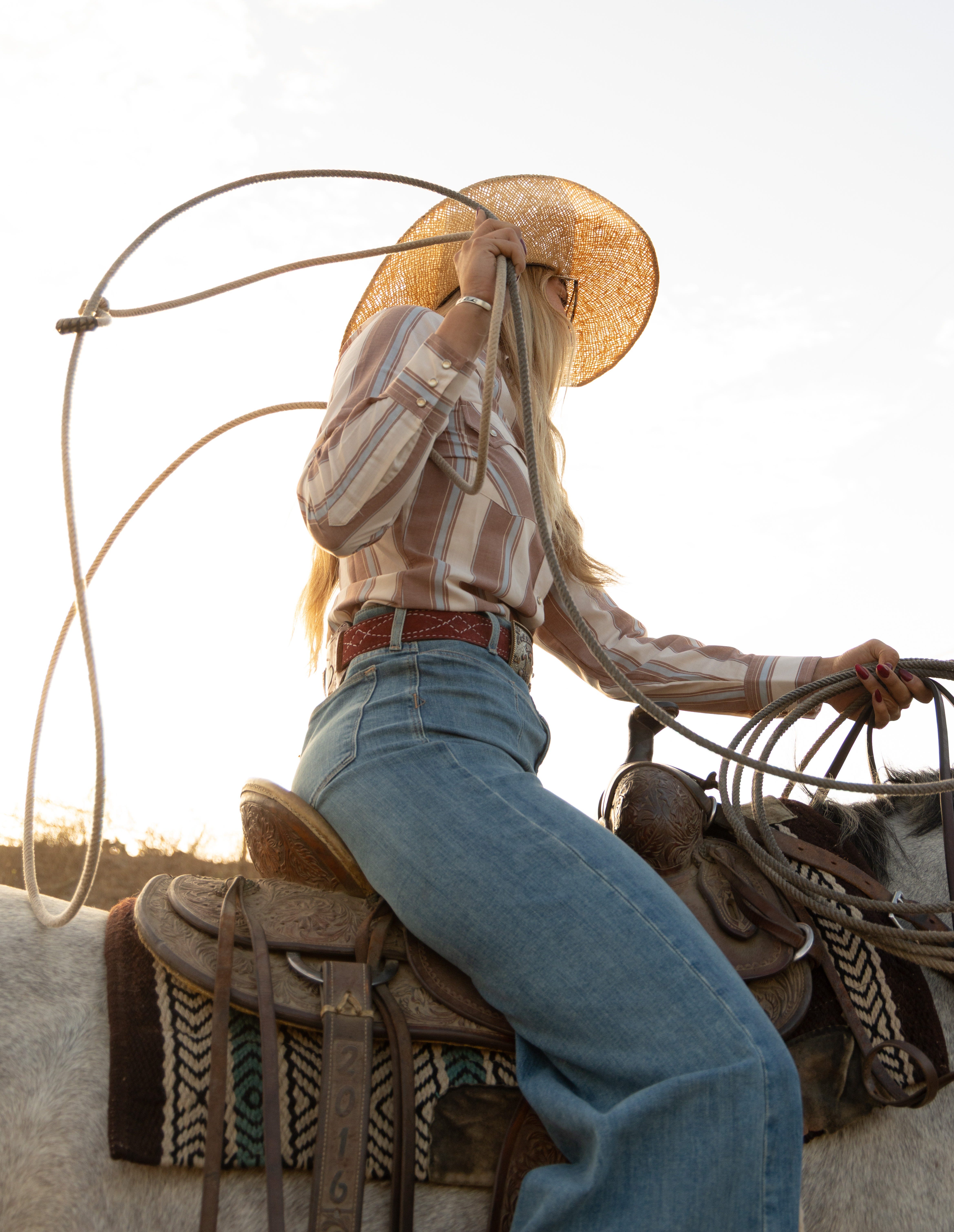
Conditions can be wildly bad
There are some operations where I have lost years of my life. Many operations are straightforward. Then there are abdomens where I spent hours dissecting through scar tissue, anatomy was complex from multiple prior operations, or patients were critically ill to start with. Every single surgeon has encountered cases where they want to sit down and hug their mom. And they got through it. I like having a job where there’s a timeline, and it’s in front of me. We have to deliver a product with our hands. There’s no taking a break for lunch and then coming back. All of this directly translated to shooting outdoors. I discovered a lot of curveballs, and I’m sure there will be more. Changes to weather, choppy ocean conditions, client issues. I had already lived out in really high stakes that all we can do is our best in any given circumstance.
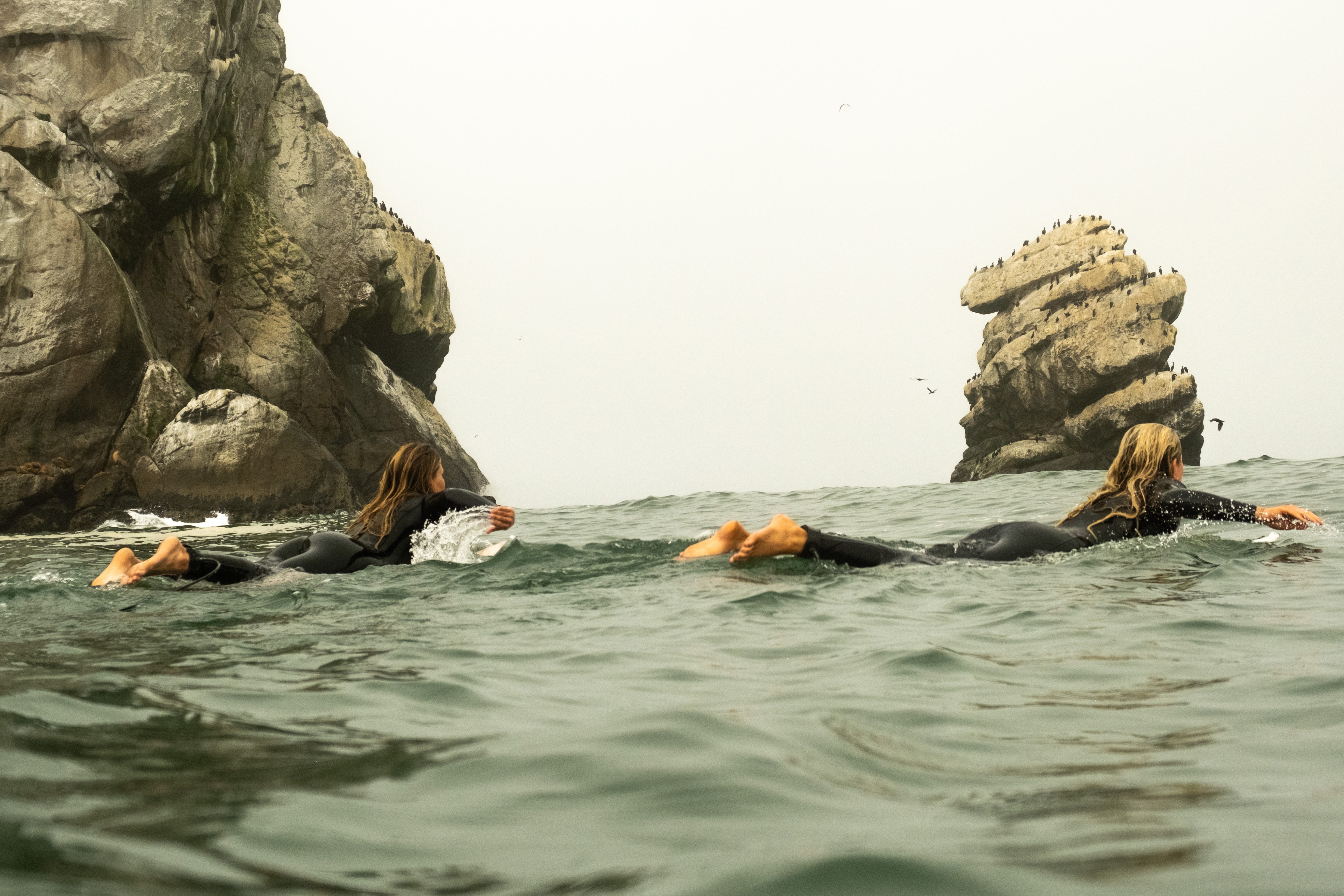
Becoming someone new
I haven’t met too many other people on the healthcare worker to artist pathway (and would love to!!). This is part of something bigger than photography - it’s becoming someone new. Becoming someone new rarely looks like stories I hear about my fellow doctors.
Sometimes, people start doing something when they are six years old. Then they get really, really good at it and rise to an elite level when they are fifteen. This is not one of those stories, and for many people, finding what they love doesn’t take that shape. In fact, after diving into the worlds of photography and portfolio careers, I’d say that the path is rarely straight. It can look like a wiggle or a giant maze. That’s also when things get interesting.
What’s most compelling to me is people who started a new path when the path wasn’t clear at all for where they were. One of my friends started an online coaching business. Another is learning to swim. Another left surgery to open a brick and mortar store. A common thought among us is “should this have been done ten years ago?” The answer is no, because it wasn’t the right time. And all that time in between makes for a unique way of approaching a craft. What does the surgeon to surf photographer portfolio career look like? As far as I can tell, it doesn’t really exist yet.